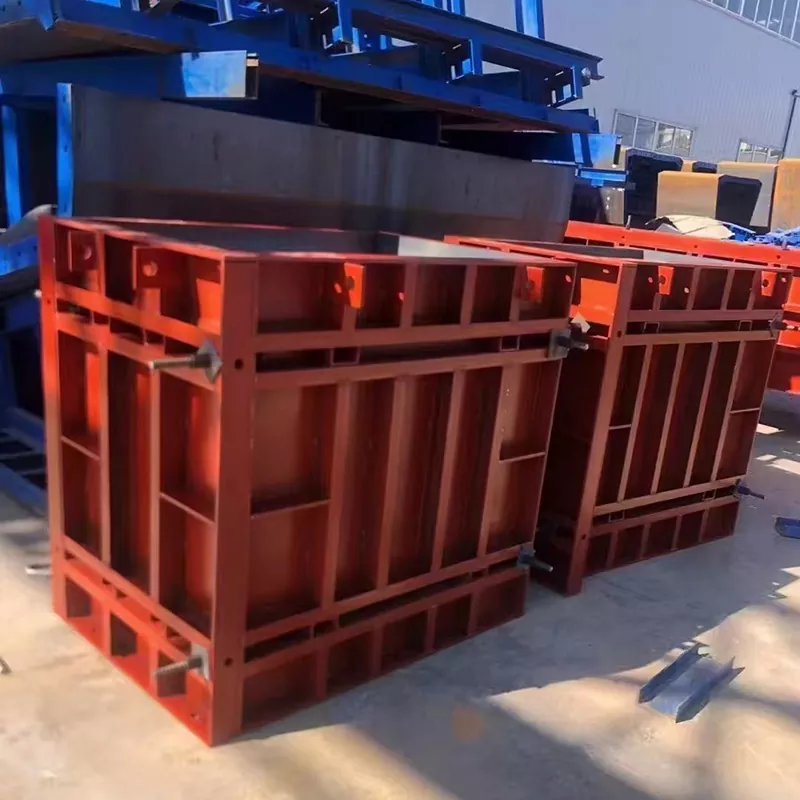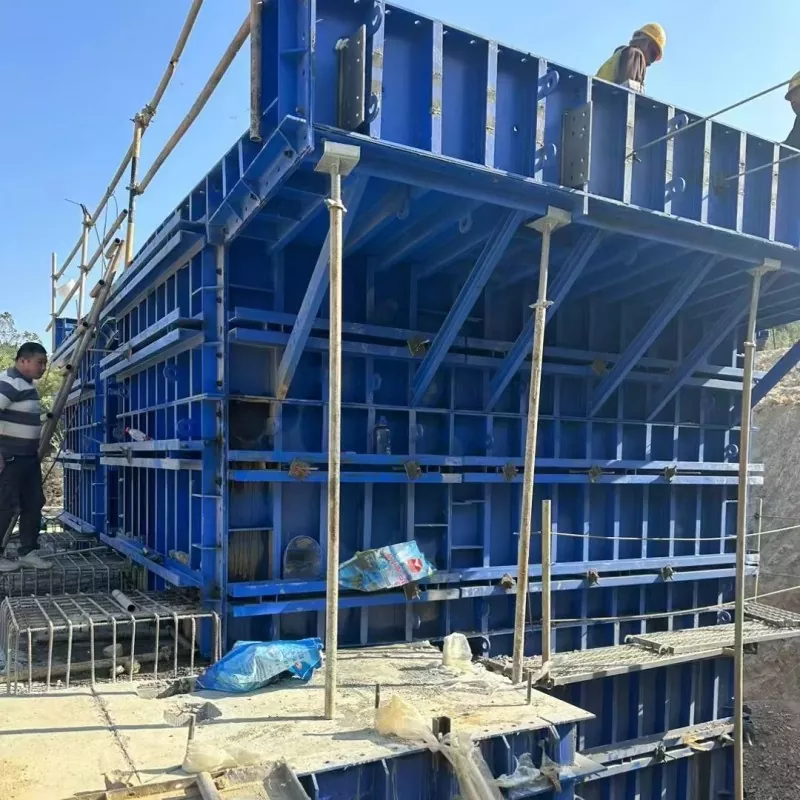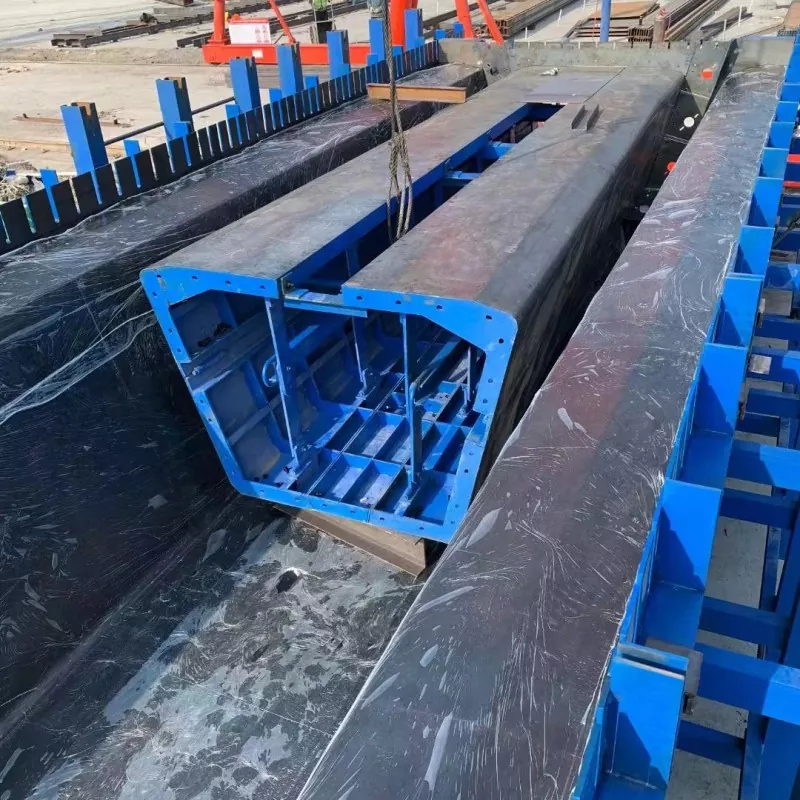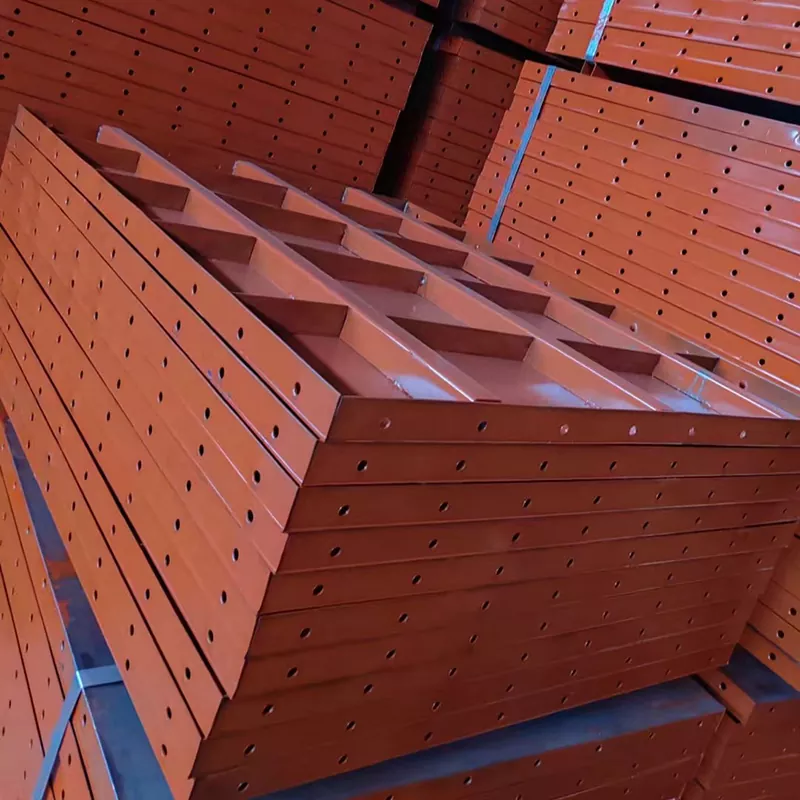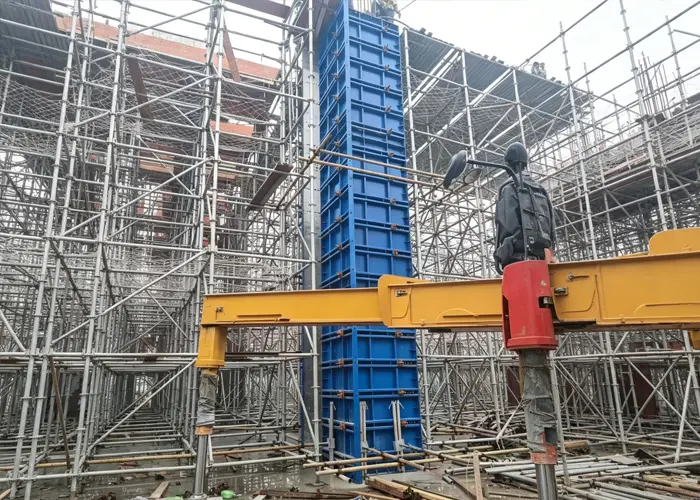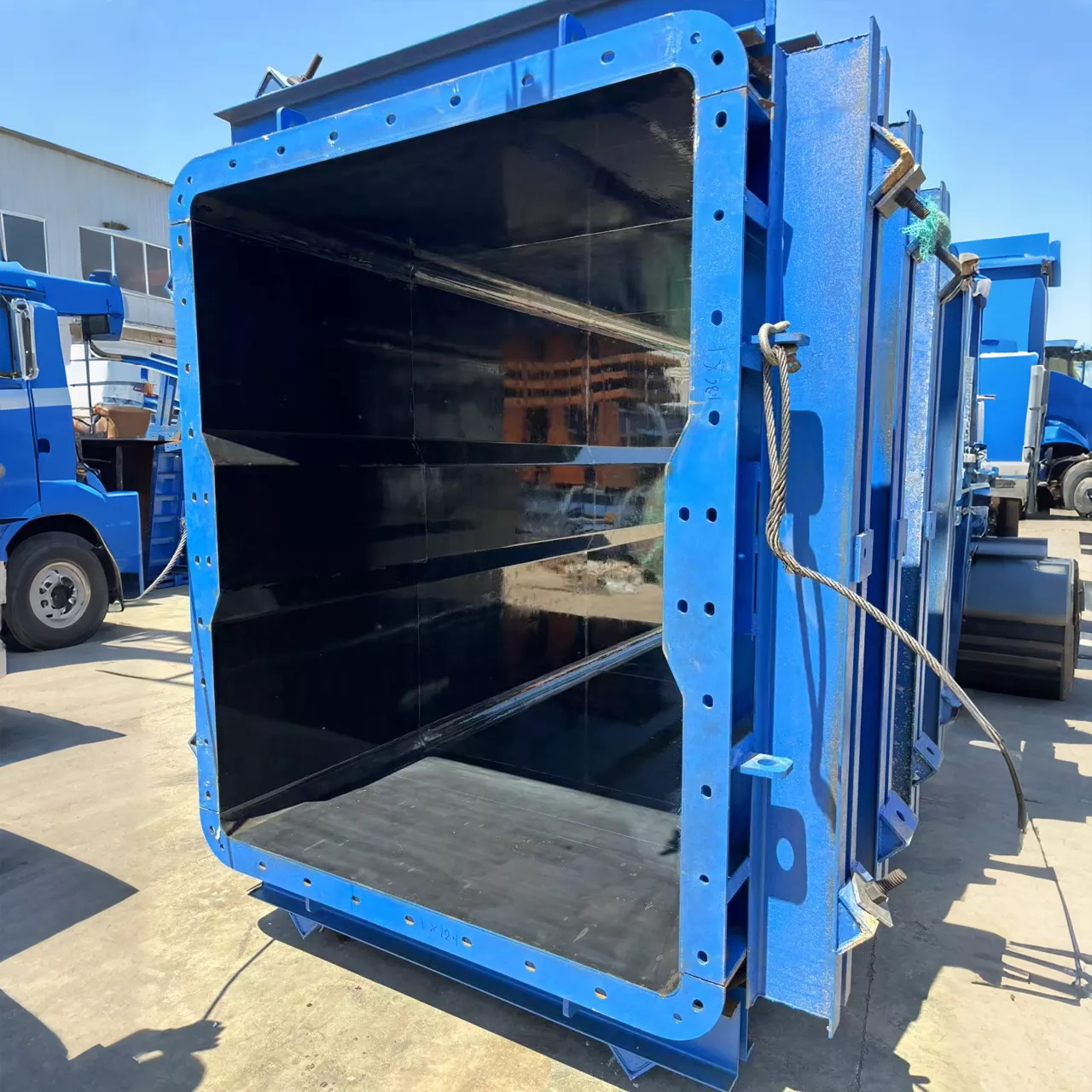
Modern construction projects depend on carefully engineered temporary support systems to maintain structural stability while permanent components are installed, repaired, or completed. Steel Shoring plays an important role in supporting formwork, floor slabs, structural beams, and selected excavation or underground works. However, safe performance depends on more than the strength of an individual steel member. Load distribution, bracing, working height, foundations, assembly quality, and construction sequencing must all be evaluated as part of a coordinated temporary works design.
Abstract
Temporary steel support systems are essential to modern construction, particularly where structural loads must be transferred safely during concrete placement, building renovation, excavation, or infrastructure development. Their performance depends on material strength, support geometry, load-bearing arrangements, connections, ground conditions, and installation procedures. This comprehensive guide explores adjustable props, heavy-duty support frames, structural bracing, corrosion protection, engineering calculations, quality control, and construction-site inspection. It also explains the differences between shoring and scaffolding, identifies common installation risks, and provides practical guidance for selecting appropriate support configurations. Tables, structured checklists, and technical questions help construction professionals evaluate temporary support equipment without substituting generic product claims for project-specific engineering approval.
Table of Contents
Interactive navigation: Click any section below to jump directly to its technical explanation.
- What Is Temporary Steel Structural Support?
- Which Components Form a Reliable Support System?
- What Types of Temporary Steel Supports Are Available?
- How Are Load Capacity and Structural Stability Evaluated?
- How Does Shoring Differ from Scaffolding?
- Where Are Steel Support Systems Commonly Used?
- Why Do Steel Grades and Surface Treatments Matter?
- What Does a Safe Installation Process Require?
- How Should Engineers Select the Right Support System?
- What Inspection and Maintenance Practices Are Essential?
- How Can Manufacturing Quality Be Evaluated?
- Frequently Asked Questions
- Final Engineering Recommendations
1. What Is Temporary Steel Structural Support?
Temporary structural support is used when a building or engineering structure requires additional load-bearing assistance during a defined construction phase. Unlike permanent structural members, these support arrangements are typically installed for a specific operation and removed when the engineered conditions for removal have been satisfied.
Temporary steel supports may be used beneath concrete formwork, around structural openings, alongside excavations, or beneath existing beams undergoing controlled modification. The function of each arrangement depends on the forces that must be transferred and the stability conditions of the surrounding structure.
1.1. Understanding Temporary Load Paths
A load path describes how forces travel through a structure toward an adequate supporting element. In temporary construction works, this may involve transferring loads from formwork decking into supporting beams, then through props or frames into the supporting floor or foundation.
A support member cannot function independently of this complete path. Even a strong steel post may be unsafe if its base bears on a weak surface or if the upper connection cannot transfer the intended forces.
1.2. Why Construction Sequencing Matters
The loading applied to temporary works changes as construction progresses. Before concrete placement, support equipment may carry the weight of formwork and construction materials. During placement, it must also accommodate fresh concrete and other relevant construction actions.
After placement, removal of temporary support should depend on the approved construction sequence and confirmation that the permanent structure can safely resist the loads transferred to it.
1.3. Essential Engineering Principles
- Complete load transfer: Every temporary force must have a verified route into an adequate supporting structure.
- Structural stability: Support arrangements must resist relevant vertical and lateral actions without unacceptable displacement.
- Appropriate geometry: Member length, position, eccentricity, and connection details influence performance.
- Controlled construction: Installation and removal should follow an approved temporary works procedure.
- Site verification: Actual ground, floor, and surrounding conditions must agree with the design assumptions.
2. Which Components Form a Reliable Support System?
Temporary support systems use several connected components to carry loads and maintain positional stability. The exact arrangement varies by application, but it normally includes load-bearing members, connection details, and suitable support surfaces.
When evaluating Steel Shoring equipment, engineers should consider each component within the complete structural arrangement. The selected support must correspond to the required load, working height, adjustment range, and bracing configuration rather than relying solely on nominal steel strength.
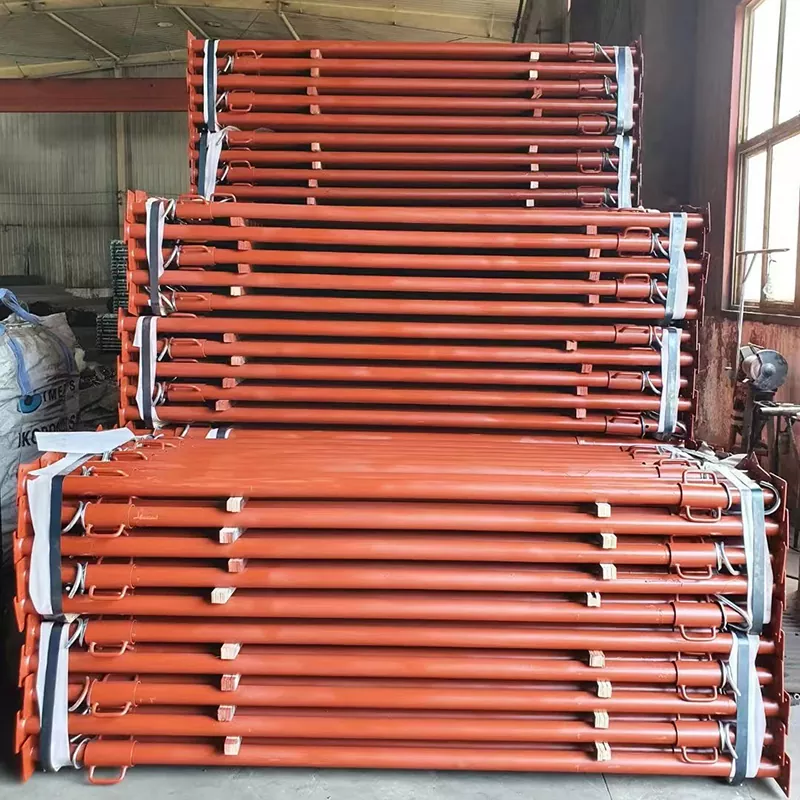
2.1. Adjustable Steel Props
Telescopic steel props commonly consist of inner and outer tubes, adjustment hardware, and upper and lower bearing plates. Their arrangement permits controlled height adjustment within the limits of the specified product.
A mechanical locking feature typically establishes the approximate height, while a threaded mechanism may provide finer adjustment. Exact details depend on the product design.
2.2. Supporting Heads and Base Plates
The upper support head transfers load from the supported member into the prop, while the base plate distributes reaction into the supporting surface.
Contact geometry and surface condition are important because poor bearing can cause eccentric loading, localized deformation, or movement.
2.3. Bracing and Connection Components
Lateral bracing helps prevent unwanted movement and instability in support frames. Depending on the design, braces, ledgers, locking devices, and suitable connectors may be required.
Their absence cannot be compensated for simply by installing larger vertical members. Bracing must follow the engineered system arrangement.
| Component | Primary Function | Important Verification |
|---|---|---|
| Telescopic prop | Provides adjustable vertical load-bearing support | Height, allowable capacity, straightness, and condition |
| Head plate or U-head | Transfers load from the supported formwork or member | Bearing geometry, connection, and alignment |
| Base plate | Transfers the support reaction into the bearing surface | Contact area, stability, and supporting substrate |
| Adjustment mechanism | Provides controlled working-height positioning | Thread condition, locking engagement, and adjustment limits |
| Lateral bracing | Restrains unintended lateral movement | Brace layout, connection integrity, and design compatibility |
| Supporting foundation | Resists concentrated temporary reactions | Bearing capacity, settlement, and load distribution |
3. What Types of Temporary Steel Supports Are Available?
Temporary construction support is not limited to a single product type. Different systems are developed for vertical formwork loads, heavier structural arrangements, excavation retention, and underground construction.
The appropriate configuration depends on the intended function and the surrounding construction conditions.
Adjustable Steel Props
Telescopic props provide localized vertical support beneath selected beams, slabs, and formwork components when correctly arranged.
Modular Support Towers
Engineered frame or modular arrangements support construction work requiring coordinated vertical members, ledgers, and bracing.
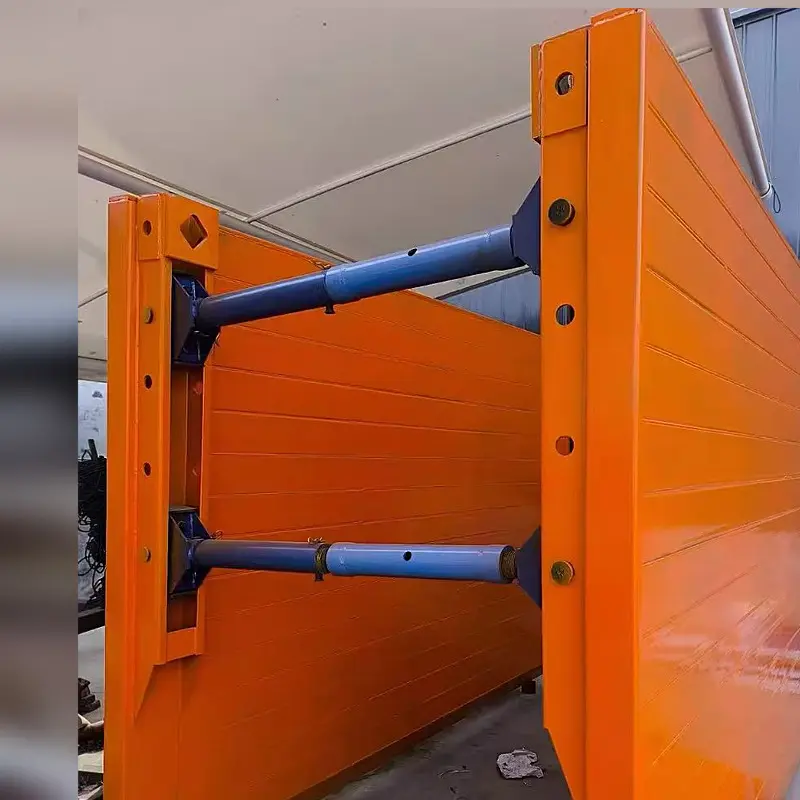
Excavation Struts
Horizontal steel members can transfer loads between retaining elements within a designed excavation support system.
Tunnel Support Assemblies
Engineered arches, lattice girders, or other temporary support elements may assist underground stabilization under defined geotechnical conditions.
3.1. Selecting Between Individual Props and Towers
An individual prop may suit a localized vertical reaction, while a tower system can provide a coordinated arrangement for multiple loads and defined bracing.
Neither option is universally preferable. Working height, load magnitude, available space, support geometry, and access requirements influence the decision.
3.2. Why Excavation Support Is Different
Excavation supports must resist forces associated with soil, groundwater, adjacent structures, and construction activity. These conditions require geotechnical assessment and an engineered retaining arrangement.
Ordinary vertical formwork props should not be assumed suitable for excavation bracing without specific design verification.
4. How Are Load Capacity and Structural Stability Evaluated?
The load capacity of temporary support equipment depends on material properties, geometry, member length, bracing, connections, and support conditions.
Steel strength alone does not determine how much load an installed support can safely carry. Slender members may become unstable through buckling before reaching the material's nominal yield strength.
4.1. Understanding Axial Compression
Axial compression occurs when a force acts along a member's longitudinal axis. A centrally loaded vertical prop may be idealized as a compression member for certain engineering calculations.
Actual installations may involve eccentric forces, imperfect alignment, settlement, and lateral movement. These effects must be considered in the approved design.
4.2. Why Working Height Changes Capacity
Extending a telescopic prop changes its geometry and may increase susceptibility to instability. Therefore, an allowable load stated for one extension length should not automatically be applied at every other height.
Manufacturer load data should identify the applicable configuration, and the engineer must evaluate the relevant project conditions.
4.3. Understanding Load Distribution
A support arrangement may contain many props or frames, but the load is not necessarily distributed equally among all of them.
The stiffness of supported members, spacing, construction sequence, and contact conditions influence individual reactions.
Illustrative engineering concept: A uniformly distributed load of 24 kN acting over an idealized 6 m² area produces an average intensity of 4 kN/m². This arithmetic does not establish actual prop reactions, permissible spacing, or structural safety. Those require a complete temporary works analysis.
4.4. Why Published Maximum Ratings Need Context
Some industrial shoring configurations are advertised with high maximum capacities. Such figures describe particular equipment and defined testing or design conditions, not a universal rating for all support products.
The exact allowable load must be confirmed for the selected component, height, connections, bracing arrangement, and supporting surface.
4.5. Stability Beyond Vertical Loading
Temporary works may also experience lateral actions from wind, construction movement, equipment, vibration, or unintended impacts.
A stability assessment should identify these actions and confirm how they will be resisted. Preventing sidesway and unintended displacement is as important as checking vertical member strength.
5. How Does Shoring Differ from Scaffolding?
Shoring and scaffolding both involve temporary steel assemblies, but they do not serve identical purposes.
Shoring primarily provides temporary structural support or stabilization. Access scaffolding primarily provides platforms and access arrangements for workers and materials.
Certain engineered modular systems can be configured for formwork support, but their suitability depends on the exact design, component ratings, connections, and applicable requirements.
| Comparison Factor | Shoring Systems | Access Scaffolding |
|---|---|---|
| Primary function | Temporary structural support or stabilization | Access and working platforms |
| Main design loads | Supported structure, construction actions, and relevant lateral loads | Workers, materials, platforms, and environmental actions |
| Typical components | Props, towers, struts, heads, and braces | Standards, ledgers, braces, platforms, and access equipment |
| Typical applications | Formwork, beam stabilization, and excavation retention | Facade work, maintenance, and elevated work access |
| Design priority | Load path and structural stability | Safe access, platform capacity, and system stability |
5.1. Can Components Be Interchanged?
Components should not be interchanged simply because they appear geometrically similar. Different products may use different material grades, locking mechanisms, dimensions, and allowable loads.
Any mixed system requires explicit compatibility and engineering approval from the relevant designer and applicable product documentation.
6. Where Are Steel Support Systems Commonly Used?
Temporary support systems are used wherever construction operations require a defined load path before permanent structural conditions have been established.
The practical applications of Steel Shoring include concrete construction, building renovation, bridge works, and selected underground support arrangements. The relevant equipment must be selected according to the actual loads and structural environment.
6.1. Concrete Slab Construction
Slab formwork requires support while formwork decking, reinforcement, and concrete are installed. During concrete placement, the temporary works must resist the specified construction loads.
Support spacing and configuration should be determined by the approved design rather than a general rule applied to every slab.
6.2. Beam and Structural Member Support
Temporary props or frames can provide support during certain beam installation, reinforcement, or modification operations.
The existing structure must be assessed before loads are transferred. Removing or altering structural members without an engineered sequence can create serious instability risks.
6.3. Bridge and Infrastructure Projects
Bridge construction may involve temporary support beneath formwork, precast components, and other structural elements. The exact arrangement depends on bridge geometry, construction stages, loading, and site constraints.
Temporary foundations and lateral stability are especially important for elevated or heavily loaded support configurations.
6.4. Excavation and Underground Works
Excavation systems may require braces or struts to resist ground pressure acting against retaining walls. The arrangement must account for soil conditions, groundwater, nearby structures, and excavation sequencing.
Underground construction can involve additional support systems such as steel arches or lattice girders. These components should be selected within a properly engineered geotechnical design.
6.5. Renovation and Structural Repair
Existing buildings sometimes require temporary support when beams, walls, or other load-bearing elements are modified.
Temporary works must be installed before the original structure is altered whenever required by the approved procedure. Building condition, load redistribution, and monitoring needs should be evaluated beforehand.
7. Why Do Steel Grades and Surface Treatments Matter?
Steel grade influences mechanical properties such as yield strength and tensile strength. However, allowable structural capacity also depends on the member geometry, fabrication process, connections, and stability conditions.
Surface treatments can improve resistance to environmental exposure, helping maintain the condition of reusable equipment.
7.1. Structural Steel Properties
Support equipment may use structural steel grades selected to meet particular mechanical requirements. Certain systems use grades with nominal yield strengths around or above 345 MPa, but this value should not be assumed for every component.
Material certificates and appropriate manufacturing information should be checked against the actual product specification.
7.2. Hot-Dip Galvanizing
Hot-dip galvanizing applies a protective zinc coating to steel surfaces. It is widely used to improve corrosion resistance where products face moisture or repeated outdoor exposure.
Coating performance depends on thickness, preparation, environmental conditions, and any subsequent damage. Galvanizing does not eliminate the need for inspection.
7.3. Painted and Other Protective Finishes
Appropriate paint systems may provide corrosion protection and make equipment more visible on construction sites.
The selected finish should correspond to expected exposure, maintenance practices, and applicable product requirements.
| Material or Finish | Primary Characteristic | Selection Consideration |
|---|---|---|
| Structural carbon steel | Useful load-bearing characteristics | Specified grade, material properties, and geometry |
| Higher-strength steel | Potentially greater nominal yield strength | Buckling, connections, and structural stability |
| Hot-dip galvanizing | Zinc-based corrosion protection | Coating specification and environmental exposure |
| Painted coating | Surface protection and identification options | Coating integrity and maintenance |
8. What Does a Safe Installation Process Require?
Installation is a critical stage of temporary works. A suitable product can still become unsafe when positioned incorrectly, insufficiently braced, or supported on an inadequate surface.
The installation procedure should be developed and approved for the particular project. Site work should be supervised by appropriately qualified personnel.
8.1. Review the Approved Design
Before erection, the responsible team should confirm the support layout, component types, required heights, bracing arrangement, load path, and construction sequence.
Any discrepancy between site conditions and the approved design requires review before the affected work proceeds.
8.2. Verify Supporting Surfaces
The floor, ground, or structural element receiving temporary support reactions must be capable of carrying the imposed loads.
Settlement, uneven surfaces, hidden voids, or inadequate distribution of concentrated reactions can compromise the support arrangement.
8.3. Assemble and Brace Correctly
All necessary components should be installed in their intended positions. Mechanical locking devices must be properly engaged and the required bracing completed.
Improvised substitutions, damaged parts, and unauthorized changes to the layout should be avoided.
8.4. Complete Formal Inspection
An appropriately competent person should inspect the completed arrangement against the approved design before it receives its intended construction load.
Subsequent inspections may be necessary after significant loading, weather events, impacts, adjustments, or other changes affecting the temporary works.
Critical safety requirement: Temporary supports must not be installed, adjusted, loaded, or removed through generalized instructions alone. A qualified engineer and the responsible temporary works team must establish the approved design, sequence, and applicable site controls.
9. How Should Engineers Select the Right Support System?
Equipment selection should begin with a clear description of the construction activity and the temporary loads that must be supported.
When choosing Steel Shoring for a project, engineers should assess the complete system, including working height, load paths, bracing, bearing conditions, component compatibility, and the proposed construction sequence.
9.1. Structured Engineering Selection Workflow
- Define the temporary works function: Identify whether support is required for concrete formwork, structural repair, excavation retention, or another approved application.
- Establish design actions: Determine relevant permanent and construction-stage loads, lateral forces, and other actions.
- Identify support geometry: Specify heights, spacing, working clearances, member positions, and potential eccentricity.
- Assess bearing conditions: Confirm the adequacy of the supporting floor, ground, or structural foundation.
- Select compatible equipment: Review manufacturer specifications for the exact props, frames, connectors, and bracing components.
- Verify allowable capacities: Use appropriate design calculations and product data for the proposed arrangement.
- Review installation constraints: Consider access, nearby activities, working space, and erection sequence.
- Specify environmental protection: Evaluate exposure to moisture, corrosive conditions, and repeated handling.
- Establish inspection procedures: Define acceptance checks, monitoring requirements, and the inspection responsibilities.
- Approve removal conditions: Establish the criteria and sequence for dismantling after the temporary support function is complete.
9.2. Why Height Alone Is Insufficient
Adjustable range indicates where a support can be positioned, but it does not establish load-bearing capacity throughout that range.
The effective member length, stability conditions, and approved component configuration must be evaluated at the intended working height.
9.3. Matching Equipment to Project Constraints
Restricted work areas may affect component handling and erection. Large open construction zones may permit different support layouts.
Selection should balance structural suitability with practical installation conditions without compromising the approved stability requirements.
10. What Inspection and Maintenance Practices Are Essential?
Temporary support components may experience repeated handling, loading, exposure to moisture, and mechanical impact. Inspection helps identify damage or deterioration that could affect safe performance.
Reusable equipment should not automatically return to service merely because it was previously used without an observed incident.
10.1. Pre-Use Condition Checks
- Steel members: Look for bending, excessive dents, cracks, and visible deformation.
- Adjustment hardware: Check threads, locking pins, sleeves, and required mechanical engagement.
- Bearing plates: Inspect for distortion, cracks, and unsuitable contact surfaces.
- Welded connections: Identify visible cracking or damage requiring competent assessment.
- Bracing components: Confirm that the required members and connectors are present and in acceptable condition.
- Protective coatings: Review corrosion and coating damage in relation to the equipment's service environment.
10.2. Inspection During Construction
Support arrangements should be monitored according to the approved inspection plan. Changes in geometry, settlement, unusual movement, or accidental impact may require immediate assessment.
Where a potential failure condition is identified, affected operations should be stopped and the area made safe under the site's established emergency procedures.
10.3. Cleaning and Storage
After dismantling, equipment should be cleaned and examined before storage. Concrete residue and environmental contaminants may interfere with mechanical adjustment or conceal damage.
Components should be organized in conditions that minimize deformation and unnecessary moisture exposure.
10.4. Withdrawal from Service
Damaged components should be clearly identified and removed from available working stock until assessed under the applicable repair or rejection criteria.
Unauthorized welding, straightening, or modification can change structural behavior and should not be undertaken without approved procedures.
11. How Can Manufacturing Quality Be Evaluated?
Manufacturing quality influences dimensional consistency, mechanical performance, connection integrity, and suitability for repeated construction use.
Reliable equipment depends on controlled steel selection, forming, welding, finishing, and product inspection. The required quality evidence should correspond to the exact product and intended application.
11.1. Material Verification
Steel components should be manufactured using grades that correspond to their approved product specification. Material identification and mechanical properties are important because apparently similar members may not have identical performance.
Applicable certificates and test results should be reviewed alongside the relevant design documentation.
11.2. Dimensional and Weld Quality
Tube geometry, adjustment features, bearing plate alignment, and welded joints require suitable manufacturing control.
Dimensional variation can affect component engagement and structural alignment. The necessary inspection methods depend on the product design and applicable specification.
11.3. Product Standards and Documentation
Standards such as EN 1065 may apply to specified adjustable telescopic steel props. Other structural support systems are subject to different design and product requirements.
A certificate or compliance statement for one product category should not be applied automatically to another. Buyers should verify the actual scope of documentation for the selected equipment.
| Evaluation Area | Suggested Verification | Engineering Purpose |
|---|---|---|
| Steel material | Grade and relevant material documentation | Confirms specified mechanical properties |
| Component dimensions | Tube geometry, length, plate dimensions, and tolerances | Supports proper assembly and fit |
| Welded connections | Applicable weld inspection and quality criteria | Supports connection integrity |
| Adjustment mechanism | Thread, sleeve, locking, and operating checks | Confirms intended mechanical function |
| Structural capacity | Approved load data and relevant validation | Supports project-specific design evaluation |
| Surface protection | Finish condition and specified coating checks | Supports environmental durability |
11.4. Working with a Specialized Formwork Supplier
A supplier familiar with structural formwork and temporary support equipment can help buyers coordinate component specifications, manufacturing documentation, and project-specific equipment requirements.
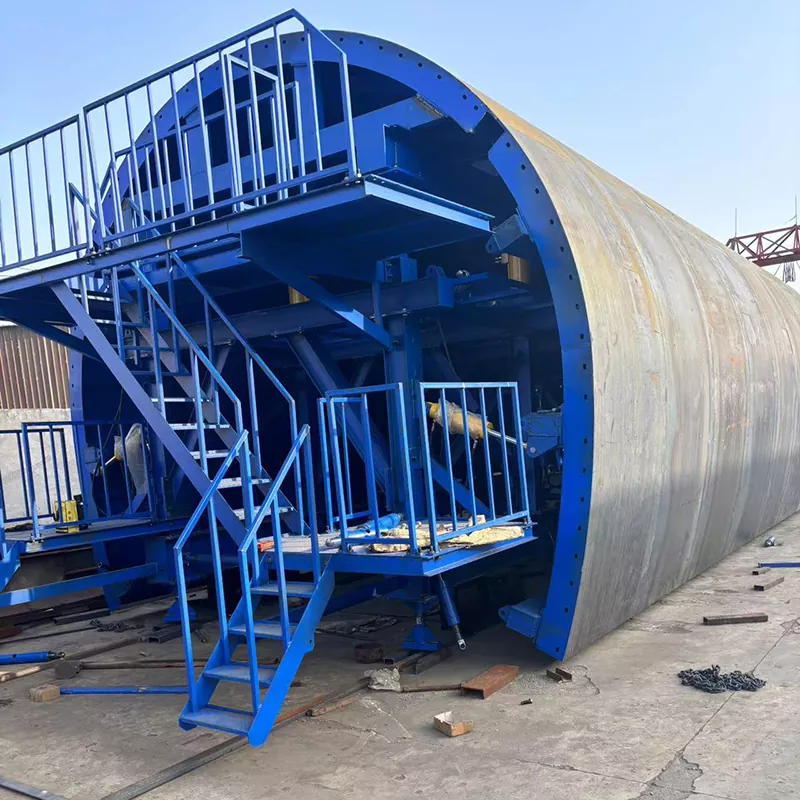
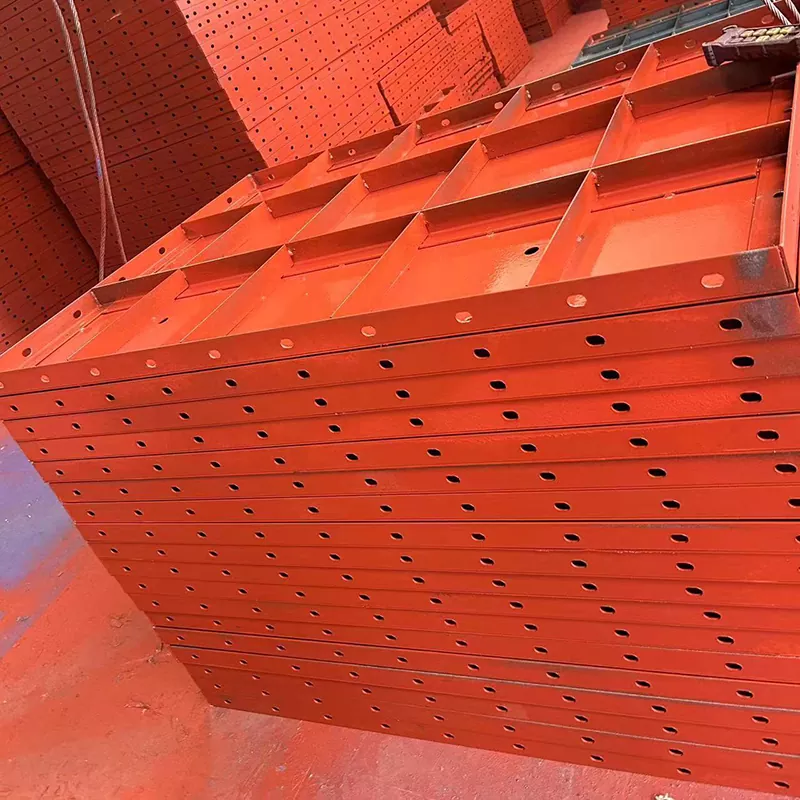
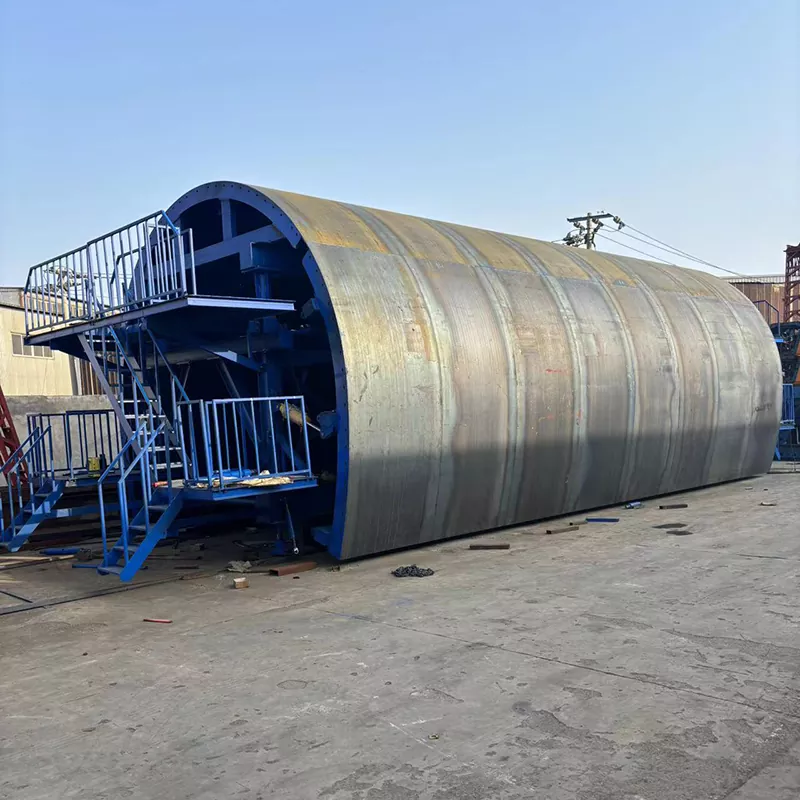
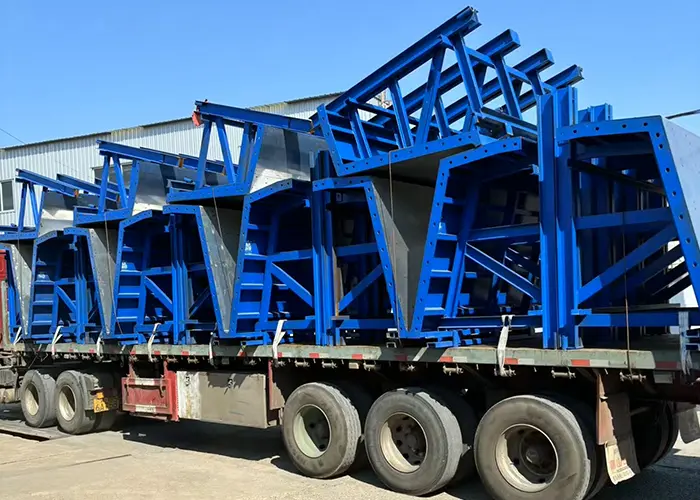
Based in Tianjin, Tianjin Xinhui Xing International Trade Co., Ltd. serves as the foreign trade subsidiary of Tianjin Yuantuo Template Co., Ltd. Its product portfolio includes steel formwork, adjustable steel props, modular support components, and tunnel-related construction equipment.
The company's published manufacturing background includes formwork development, steel processing, quality management, and customized product solutions for building and infrastructure projects.
Engineers should still confirm the exact product configuration, applicable design documentation, material characteristics, and acceptance requirements before approving equipment for construction use.
12. Frequently Asked Questions
These frequently asked questions address common technical concerns involving temporary supports, adjustable props, load ratings, construction applications, and inspection. Click any question to expand its answer.
What is the main purpose of temporary steel support?
Its primary function is to provide temporary structural support or stabilization during a defined construction activity. The arrangement transfers specified loads into adequate supporting elements until the engineered conditions for its removal are satisfied.
Are adjustable steel props suitable for concrete slab formwork?
Adjustable props are commonly used in suitable concrete formwork arrangements. Their allowable loads, working heights, spacing, bracing, and supporting surfaces must be verified through the approved temporary works design.
How is the allowable load of an adjustable prop determined?
Allowable capacity depends on the exact product, extension height, member geometry, connections, stability conditions, and relevant design method. Manufacturer load data must be interpreted alongside project-specific engineering requirements.
Does a higher steel yield strength always produce greater support capacity?
No. Structural capacity is influenced by buckling, member geometry, eccentricity, support conditions, connections, and system stability. Higher nominal material strength does not eliminate these limitations.
Can temporary support components be reused?
Many steel support components are designed for repeated use, provided their condition remains acceptable and the intended application is approved. Inspection, cleaning, proper storage, and rejection of damaged components are important.
What is the difference between vertical props and excavation struts?
Vertical props primarily support downward loads, while excavation struts commonly resist horizontal forces from retaining structures. Their loading and stability requirements differ significantly.
Why is lateral bracing important?
Bracing restrains unwanted movement and contributes to overall system stability. Its required arrangement depends on the design and cannot be replaced by simply increasing individual vertical member strength.
Can galvanized supports be used in humid environments?
Galvanizing can improve corrosion resistance under many exposure conditions. However, coating specifications, environmental severity, mechanical damage, and ongoing inspections must still be considered.
When can temporary supports be removed?
Removal must follow the approved construction sequence and occur only after the responsible qualified personnel confirm that the permanent structure and remaining temporary works can safely resist the loads involved.
What information should be included in a technical inquiry?
Useful information includes the intended application, working height, design loads, required components, proposed support geometry, relevant drawings, environmental conditions, and applicable project specifications.
13. Final Engineering Recommendations
Reliable temporary support systems depend on careful structural analysis, appropriate product selection, competent installation, and disciplined construction-stage control.
The strength of a single steel member is only one part of the engineering problem. Load paths, working height, connection details, lateral stability, bearing surfaces, and construction sequencing all influence the performance of the complete arrangement.
When specifying Steel Shoring, begin with the actual temporary works requirements. Establish the design actions, support geometry, environmental conditions, and applicable standards before reviewing individual equipment options.
Construction teams should also maintain clear inspection responsibilities and defined acceptance criteria. Any modification to the approved support arrangement should be assessed before implementation.
A well-managed temporary works process combines documented engineering decisions with proper installation and ongoing site verification. This approach helps reduce structural uncertainty and supports safer construction activities across building, bridge, renovation, and infrastructure projects.
↑ Return to Table of ContentsBuild Greater Confidence into Your Next Temporary Support Project
Ready to move your construction project forward? Connect with the team for product specifications, custom support component discussions, and application-focused technical assistance.
Contact Us for Custom Steel Support Solutions