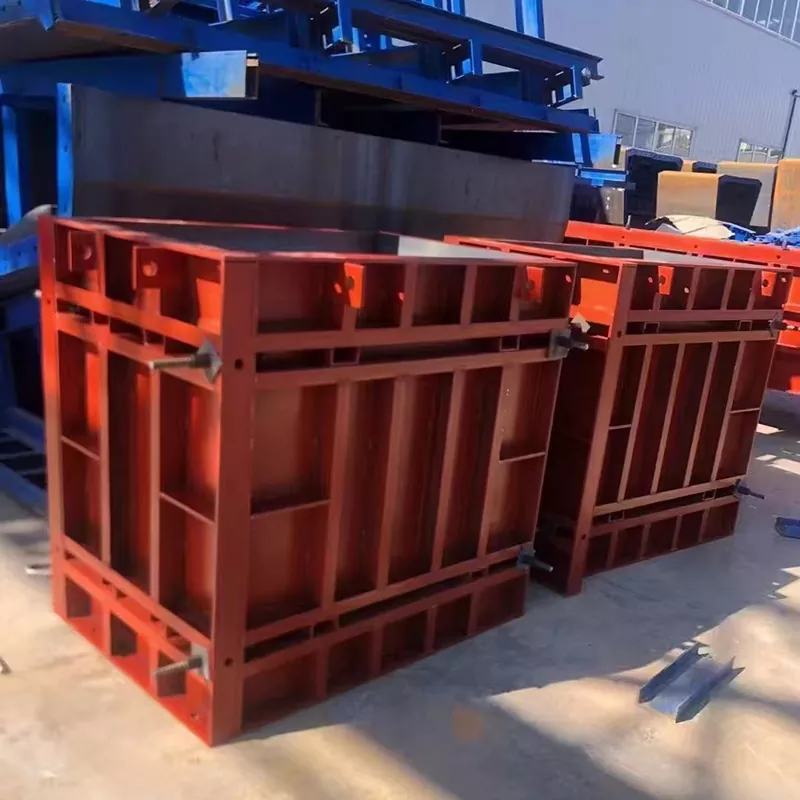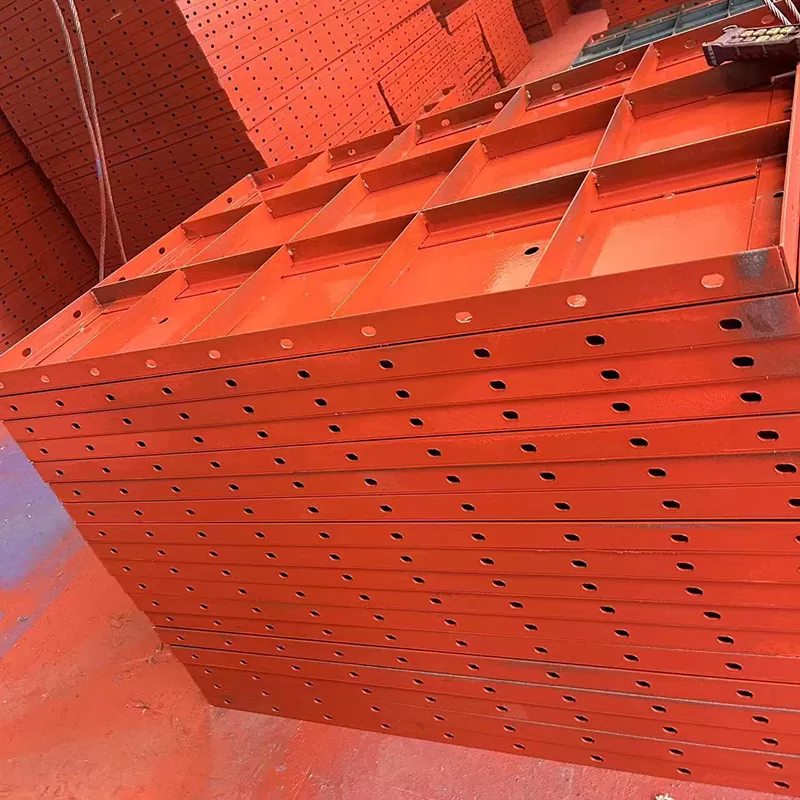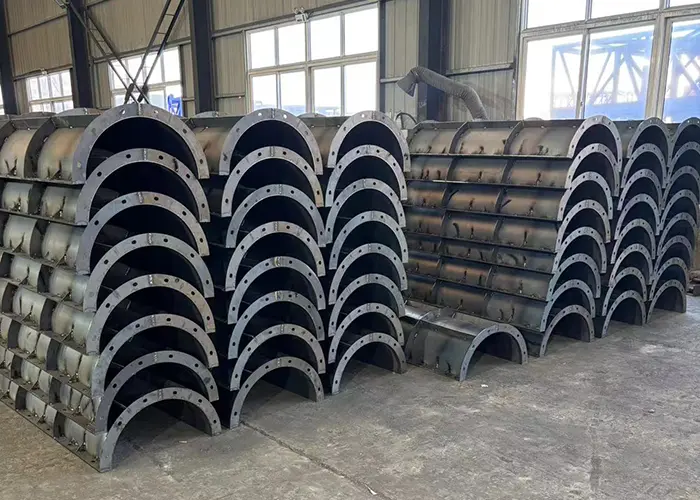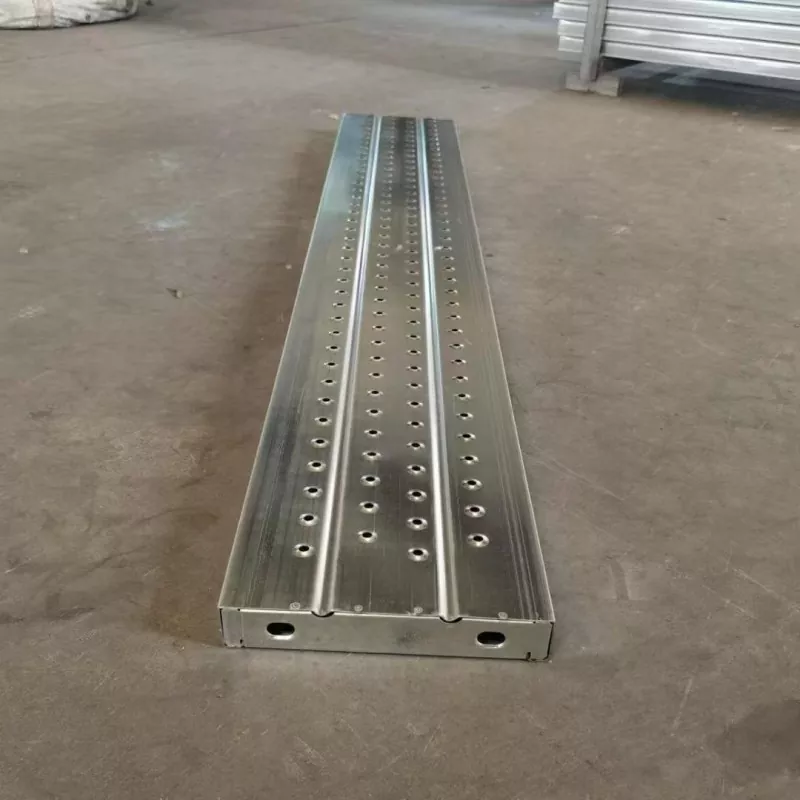
Modern construction projects require reliable systems that can support accurate concrete shaping, efficient site operations, and consistent structural results. Steel Formwork has become an important solution for contractors and engineers who need durable forming systems for different concrete applications. This article explores how advanced formwork technology improves construction processes, the key factors that influence performance, and why professional selection plays an important role in achieving high-quality concrete structures.
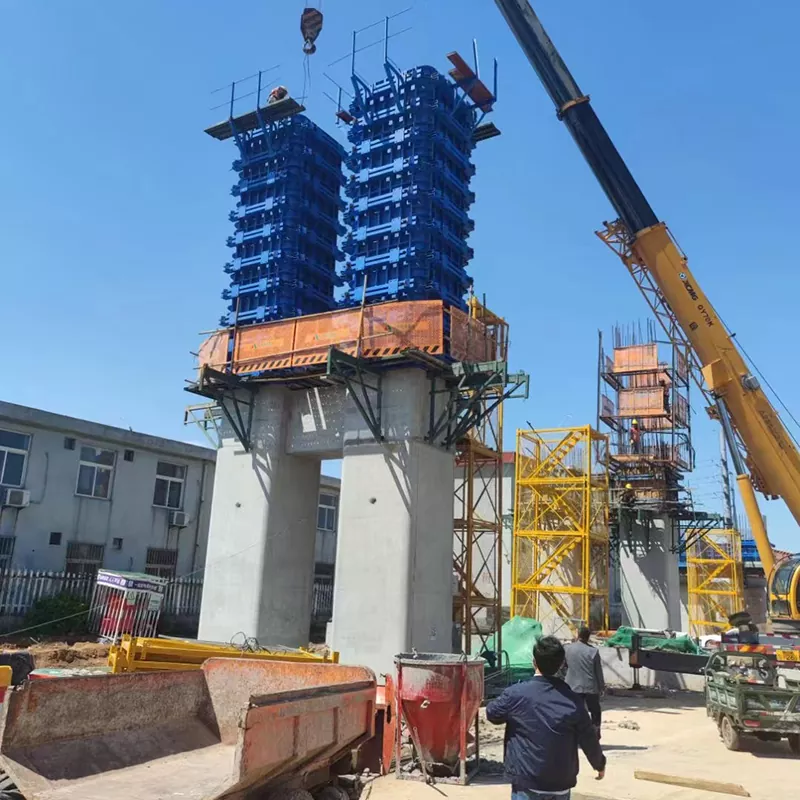
Table of Contents
- Understanding the Role of Modern Concrete Forming Systems
- Why Material Selection Matters in Construction Applications
- Key Advantages of Using Advanced Formwork Solutions
- Important Factors When Choosing a Suitable System
- Common Applications Across Different Construction Projects
- Frequently Asked Questions
Understanding the Role of Modern Concrete Forming Systems
Concrete construction depends heavily on accurate temporary structures that define the final shape, strength, and appearance of buildings and infrastructure. A properly designed forming system provides stable support during concrete pouring while maintaining precise dimensions throughout the curing process.
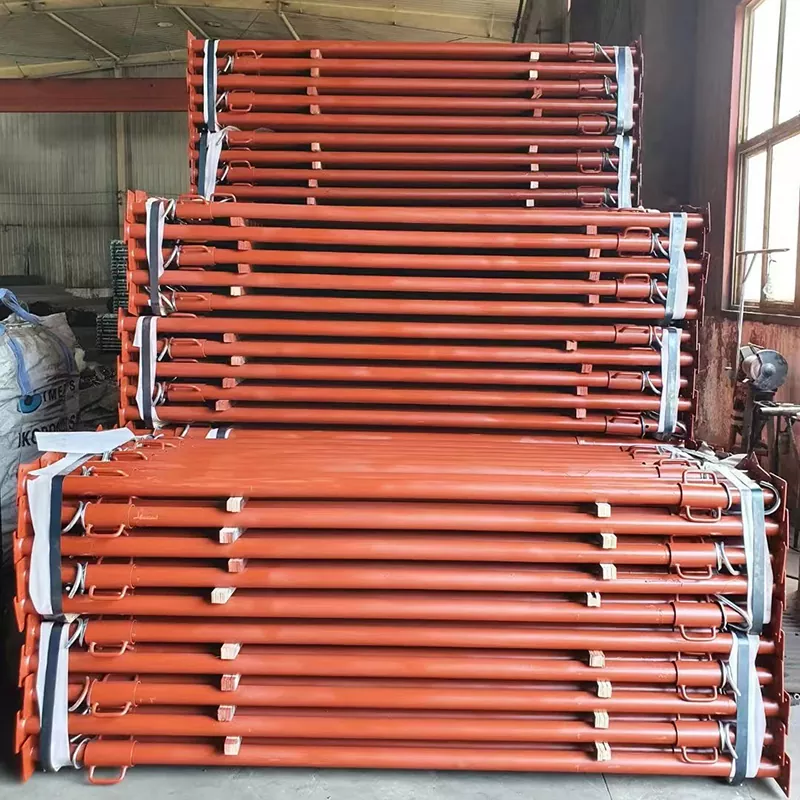
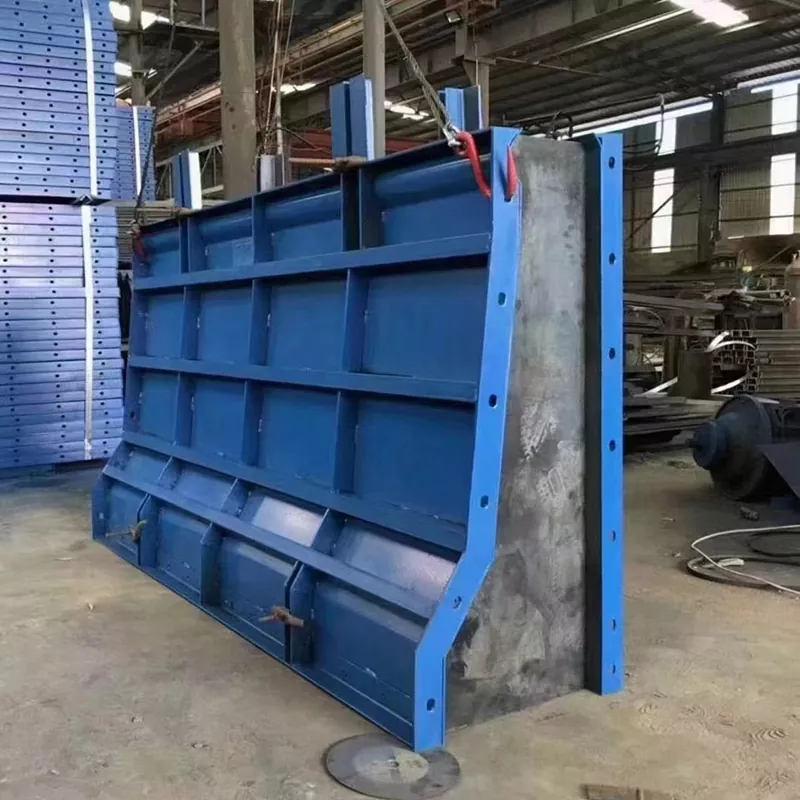
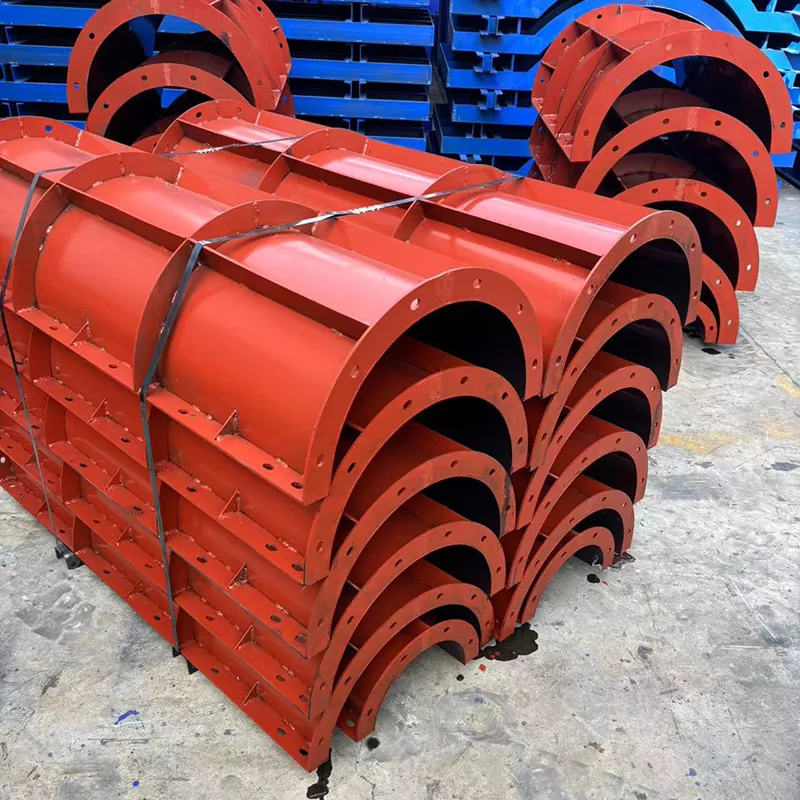
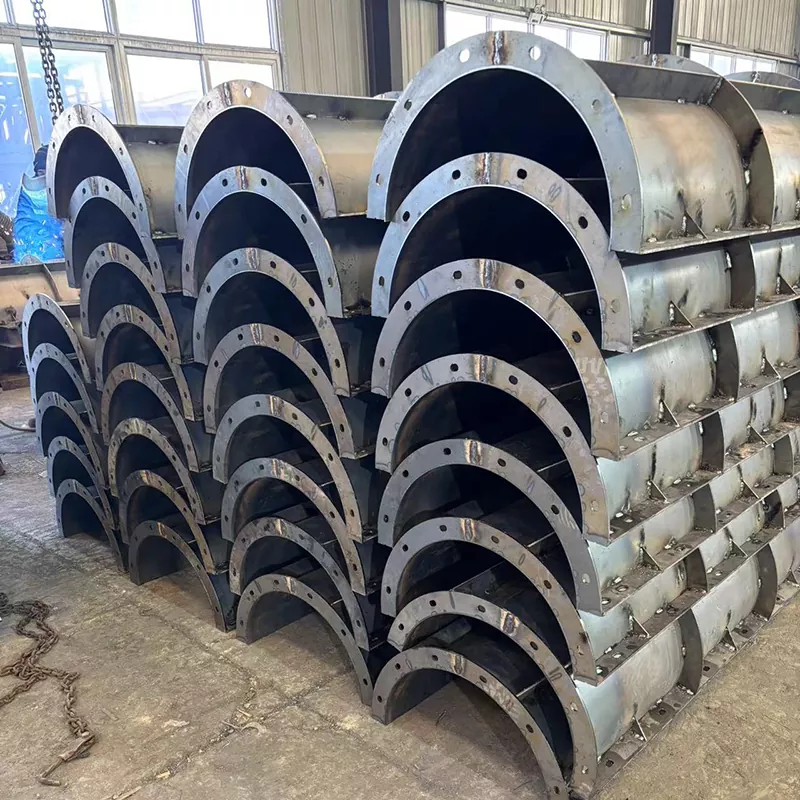
Among various construction solutions, Steel Formwork is widely recognized for its strong structure, repeatable performance, and suitability for demanding projects. Unlike traditional timber-based solutions, steel-based systems provide better dimensional stability and can maintain consistent results during repeated construction cycles.
The development of modern engineering has encouraged manufacturers to improve forming designs with better connection methods, optimized panels, and easier installation processes. These improvements allow construction teams to achieve smoother concrete surfaces while reducing unnecessary adjustments during operation.
How Forming Systems Influence Concrete Quality
- Maintains accurate concrete dimensions through stable panel structures.
- Supports consistent surface finishing for visible concrete elements.
- Provides reliable performance under different environmental conditions.
- Helps construction teams complete complex structures with better control.
Why Material Selection Matters in Construction Applications
The material used for a forming system directly affects durability, stability, and overall construction performance. Different materials offer different characteristics, making it essential for engineers to select solutions based on project requirements, structural design, and working conditions.
Steel materials are valued because they provide high mechanical strength and resistance against deformation. This characteristic allows panels to maintain their original shape even when exposed to repeated concrete pressure during construction activities.
Another important consideration is surface quality. A well-designed forming surface helps create cleaner concrete finishes, reducing the need for additional surface treatment after removal.
| Material Characteristic | Construction Benefit |
|---|---|
| High structural strength | Maintains stable support during concrete placement |
| Excellent dimensional stability | Improves accuracy of finished structures |
| Smooth panel surface | Creates better concrete appearance |
| Reusable construction design | Supports repeated project applications |
Key Advantages of Using Advanced Formwork Solutions
Choosing the right construction system influences not only the forming process but also the overall workflow on a project site. Modern solutions focus on combining strength, flexibility, and operational convenience.
- Precise engineering design supports accurate concrete positioning.
- Modular structures allow flexible adjustment for different construction requirements.
- Strong components improve stability during concrete casting.
- Professional manufacturing standards help maintain reliable quality.
Important Factors When Choosing a Suitable System
Selecting an appropriate construction forming solution requires careful consideration of several technical aspects. Engineers and contractors need to evaluate structural requirements, project conditions, and installation methods before applying a forming system to a specific construction environment.
A reliable system should provide a balance between strength, adaptability, and practical operation. The connection design, panel configuration, and supporting components all influence how effectively the system performs during concrete placement and removal stages.
Essential Considerations Before Application
- Project requirements and concrete structure design should be reviewed before selecting forming components.
- Panel dimensions should match construction conditions to maintain accurate positioning.
- Connection systems should provide secure assembly and convenient adjustment.
- Surface treatment and manufacturing quality should support long-term working performance.
For professional construction teams, choosing a suitable forming method is not only about material strength but also about how effectively the system integrates with the entire building process. A well-planned approach helps improve site organization and creates more predictable construction results.
Common Applications Across Different Construction Projects
Different types of concrete structures require different forming approaches. From residential buildings to large infrastructure projects, modern forming technologies provide adaptable solutions for various engineering environments.
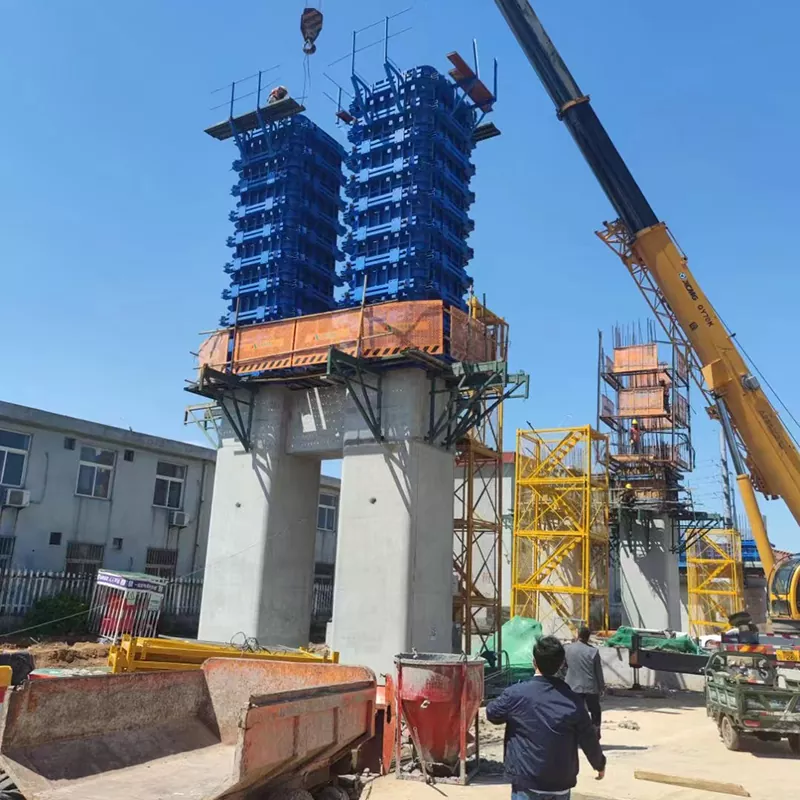
Steel Formwork is commonly applied in projects where repeated concrete shaping, structural accuracy, and reliable support are important factors. Its stable characteristics make it suitable for applications that require consistent results throughout multiple construction stages.
Typical Construction Fields
| Application Area | Role of Forming Systems | Common Requirements |
|---|---|---|
| Residential Buildings | Supports walls, columns, and concrete structures | Accuracy and smooth surface finishing |
| Commercial Complexes | Helps create large-scale concrete frameworks | Flexible design adaptation |
| Transportation Infrastructure | Provides support for bridges and related structures | High strength and stability |
| Industrial Facilities | Assists in constructing durable concrete components | Reliable performance in demanding environments |
Construction Process Overview
- Planning and selecting suitable forming components according to structural drawings.
- Assembling panels and support systems according to engineering requirements.
- Pouring concrete while maintaining proper alignment and stability.
- Removing the forming system after concrete reaches the required condition.
- Inspecting the finished structure and preparing components for future use.
How Professional Manufacturing Supports Better Construction Solutions
Manufacturing experience plays an important role in producing dependable construction equipment. Professional suppliers focus on engineering accuracy, material processing, quality inspection, and production consistency to meet different project requirements.
Xinhuixing provides professionally developed construction forming solutions with attention to structural design, manufacturing details, and practical application needs. Through continuous improvement of production technology and engineering experience, reliable products can better support global construction projects.
Quality Elements Behind Reliable Products
- Advanced production processes ensure consistent component dimensions.
- Detailed quality checks help maintain product reliability.
- Engineering experience supports customized construction requirements.
- Professional technical understanding improves application efficiency.
Future Development Trends in Concrete Construction Technology
Construction industries continue to focus on improving efficiency, accuracy, and environmental adaptability. Future forming technologies are expected to integrate more intelligent design concepts, improved materials, and optimized installation methods.
Digital engineering tools, modular construction approaches, and precision manufacturing are becoming increasingly important in modern building practices. These developments help construction teams manage complex structures while maintaining consistent quality standards.
As construction requirements become more diverse, advanced forming solutions will continue to support safer and more efficient building processes across different regions and industries.
Frequently Asked Questions
What is the main purpose of a steel-based concrete forming system?
Why do construction companies choose reusable forming solutions?
Can forming systems be used for different types of concrete structures?
What factors affect the performance of construction forming equipment?
Looking for a reliable construction forming solution designed for your project requirements? Contact us today to discuss professional support and suitable options for your construction needs.